
A box can look excellent in a design presentation and still be inconvenient at the receiving dock or behind a café counter. It may hold the wrong quantity for an outlet, hide the product code after opening or create avoidable shipping volume. Packaging design works better when the operational specification comes first.
For wholesale straws, think in layers: individual wrapper where used, inner bag or box, outer shipping carton and any palletized load. Each layer has a different job. The artwork should support those jobs rather than forcing the logistics team to work around an attractive but poorly defined format.
Decide what each packing layer must do
The individual wrapper supports the chosen handling route and carries limited customer-facing information. The inner pack helps an outlet store and replenish stock. The outer carton protects and identifies a shipping unit. A pallet arrangement, where used, supports movement and storage of the load.
Specify quantities at each level. “One carton” is not a useful ordering unit unless its contents are defined. If the inner box contains 500 straws and the outer carton contains 20 inner boxes, the total is 10,000. If either number changes, the purchase order, labels and stock system need to change together.
Consider how the customer will use the inner pack. A distributor may need a saleable box; a hotel may need a practical replenishment unit. Do not assume that the most economical factory packing is automatically the most economical format across the full supply chain.
Put dimensions and weights into the quotation
Request the proposed carton dimensions, gross weight and total carton count. Clarify whether measurements include any protrusions or pallet configuration relevant to the shipment. Ask the supplier to confirm final data before booking transport if the quotation used estimates.
Compare packing options on the same quantity. An outer carton that holds more units may reduce carton count but exceed a customer's preferred handling weight or storage dimensions. A compact box may improve volume efficiency but require closer review of product protection.
| Specification field | Why the buyer needs it |
|---|---|
| Units per inner pack | Outlet replenishment and saleable quantity |
| Inner packs per carton | Order conversion and receiving count |
| Carton dimensions | Freight quotation and storage planning |
| Gross and net weight | Handling and shipment documentation |
| Product and batch identification | Traceability after distribution |
| Opening and closure method | Access without unnecessary product damage |
| Artwork revision | Correct brand, language and required information |
Design labels for people who are moving stock
The warehouse should be able to identify the product without opening every carton. Use a clear product code, description, quantity and relevant batch information. If the business carries several similar sizes, make the distinguishing details easy to find rather than relying only on colour.
Decide which faces need identification based on the way cartons are stacked and handled. A beautifully designed label on the only hidden face is operationally weak. Ask the receiving team or distributor for its label requirements before the layout is finalized.
If barcodes are needed, confirm the correct identification system and scanning environment. The GS1 logistic-label guideline provides a framework for logistics labels. Its details should be applied to the actual system, not copied as decorative barcode artwork.
Give barcodes and QR codes enough space
Keep codes away from folds, seams and likely damage areas. Do not shrink a code until it fits a leftover corner of the design. Required dimensions and clear areas depend on the symbol and application, so have the responsible specialist or supplier verify the finished layout.
GS1's 2D barcode implementation guidance discusses placement, interference and quiet zones. A code that scans from a digital proof is not yet evidence that it will scan reliably on the printed, folded package. Test the actual print and confirm the encoded information.
2D barcode implementation guidance
Separate a logistics identifier from a marketing QR code. They serve different users and systems. If a customer-facing code leads to instructions or a product page, check the destination language and mobile experience before approving the box.
Match protection to the distribution route
A parcel shipment, a palletized delivery and a mixed distribution route do not expose packaging to identical conditions. Tell the supplier how the goods will travel and how the customer will store and handle them. Include known constraints rather than asking for a generic “strong carton.”
ISTA distinguishes screening tests from simulations of particular distribution hazards in its test-procedure overview. Select a relevant test with a qualified provider where needed. A test name in a brochure is not evidence that the proposed straw carton and packing configuration have been assessed.
Keep the tested configuration documented: carton construction, inner arrangement, quantity, closures and any pallet details. If those change, ask whether the previous result remains applicable. Packaging performance belongs to a system, not just the thickness of the outer board.
Review artwork after the structure is fixed
Once the packing structure is agreed, place the brand, product information and market-specific wording on the supplier's dieline. Check the finished dimensions and viewing orientation. Keep important content clear of cut, fold and seal areas.
For French and Arabic versions, review the physical-size proof with attention to accents, connected Arabic letters, numerals and mixed-direction text. A narrow label can require a shorter message rather than smaller type. Keep the translation approval linked to the artwork revision so a later layout change does not reintroduce an old wording error.
Environmental claims should identify the relevant component. Do not imply that the outer carton, wrapper and straw share one certification unless the evidence supports that scope. The packing specification and claim register should tell the same story.
Ask for a complete packing quotation
Send HiStraws the straw specification, quantity, desired inner quantity, destination and distribution route. Provide any distributor label or carton requirements before artwork is prepared. Outer-box customization and special tooling are quoted according to scope; they should not be assumed to share the wrapper-printing minimum.
Printed wrappers start at 2,000 straws, while custom dimensions and laser logos each start at 10,000. Samples are free, with buyer-paid shipping. A complete packing brief allows the box to work as a brand surface, a storage unit and a shipping component at the same time, with fewer surprises between the design approval and the first delivery.
Research and purchasing analysis by HiStraws. Sources checked on 27 September 2026. Worked examples are illustrative, not price quotations or laboratory results.
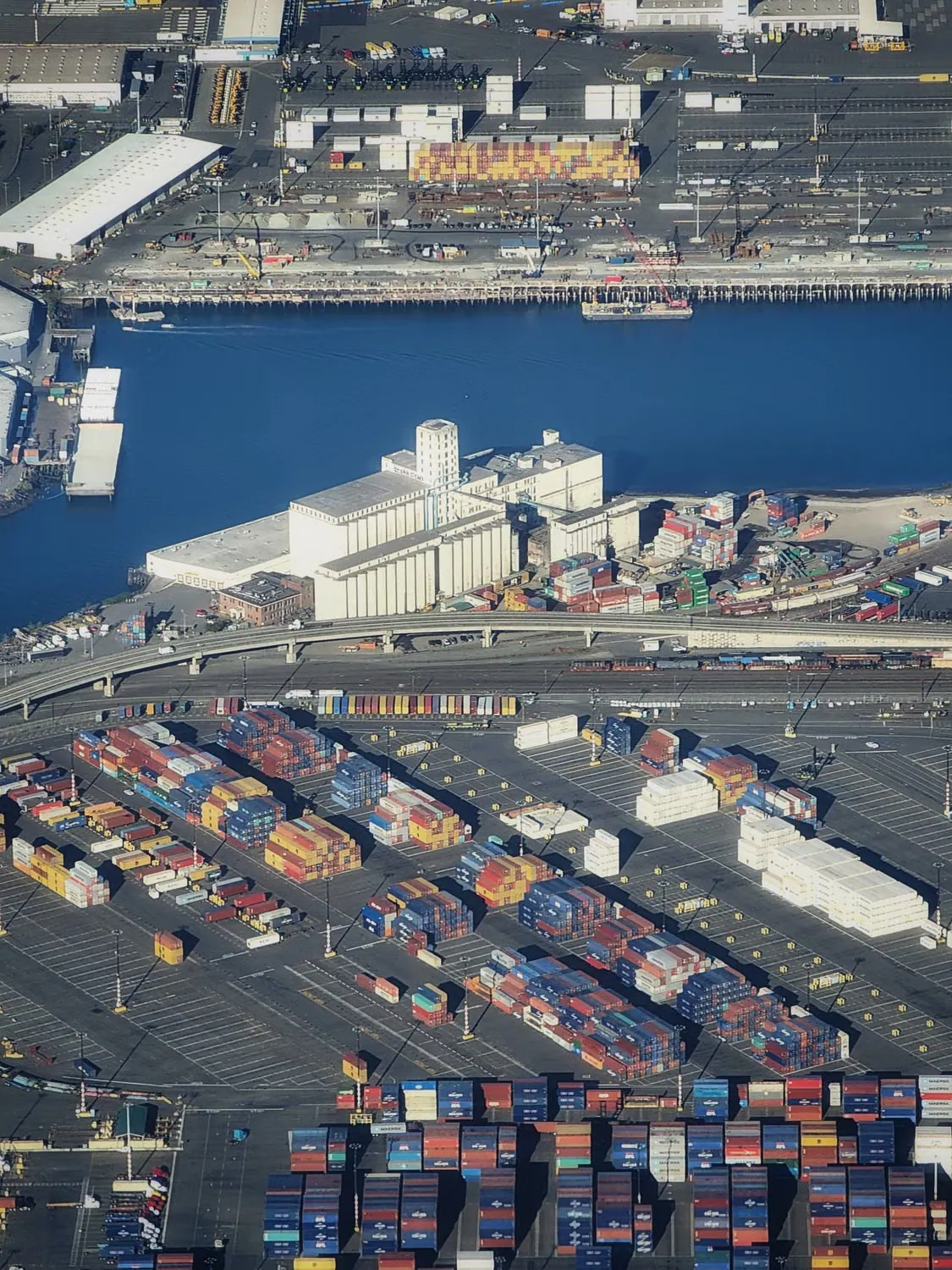
Licensed reference photography. Images do not establish product composition, certification or ownership of the depicted facilities.